The business of creating video commercials to attract new customers has been around since Bulova Watches premiered the first video commercial on July 1, 1941 before a Brooklyn Dodgers game.
Since then the art of creating videos to sell products has become a mainstay in our society and has even crossed over into our pop culture.
With the Internet being such a large portion of our regular media consumption, the cost and availability for new businesses to create and release compelling video commercials has never been easier.
Just on YouTube, the world’s most popular and used video sharing site, users watch over 2 billion videos a day. The mobile version of their website sees over 100 million videos being views within any given 24 hour period.
In the digital age, word-of-mouth advertising comes in the shape of subscriptions and “favorite” votes. A subscription to a video channel means that an individual will receive all the content that channel produces as well as content it suggests. Millions of people are sharing with friends and subscribing to new content and millions of clips are being “favorited” each and every day.
It’s this attractiveness that makes creating regularly uploaded videos an essential part of any modern marketing plan.
But, before you just throw something online that may confuse your customers and possibly harm your business, inform yourself about the basics of video script writing and what goes into making a viral worthy project.
First, a video script is the written blueprint upon which a video is constructed. It’s the product of the concept, structure, content, style, and format coming together into one actionable document. Concept is basically the main idea of the script or the plot used to tell the story.
Structure in its simplest meaning is the beginning, middle, and end of your story. It’s the basic three acts of any dramatic structure.
For an informative or instructional video the structure will include the addition of a few elements. For example: an introduction, features of the product or task, testimonials, a call to action, and the conclusion. This structure is important because it moves the audience along and provides transition points.
The content is what goes into relaying the story; it’s the parts that tell the story. When creating your content, remember less is more.
Style refers to the feel of the video. It’s what viewers will see and hear. You want to give your video a look that similar enough to look professional but that stands out and is memorable.
Finally, there’s format. Format applies to the actual script. It needs to be easily read and digested with enough detail that it won’t be a problem to follow during production.
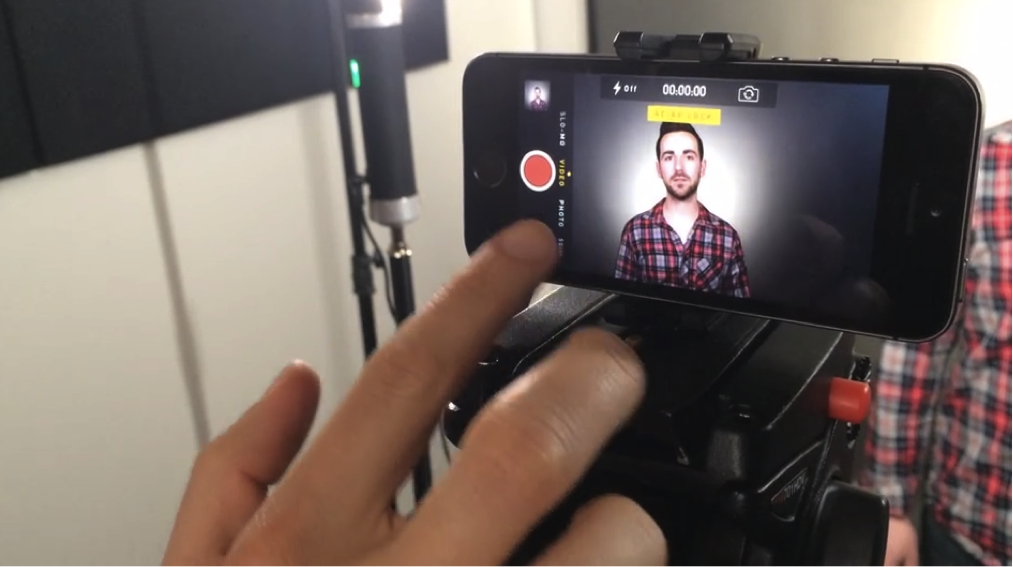
In addition, to bring your script to life you’ll need to find a suitable location, choose actors, and have access to a quality digital camera. You might also need access to lighting and digital editing software. Nowadays those resources can be found around a typical office. Even basic editing software comes pre-installed on most new computers.
When deciding to create your own video script it helps to do your homework and see what other companies have done. One classic example is the video Twitter put out titled, Twitter in Plain English
Do yourself a favor and search out and view as many of these types of videos as you can. It will help you to write and film the next big thing in your businesses arsenal.